Party Wall
Party Wall Agreements Explained: What London Homeowners Need to Know Before Extending
Planning an extension or loft conversion? Here's what the Party Wall Act 1996 means for you, when you need notice, and what happens next.
27 August 20266 min readBy LINX Design and Build
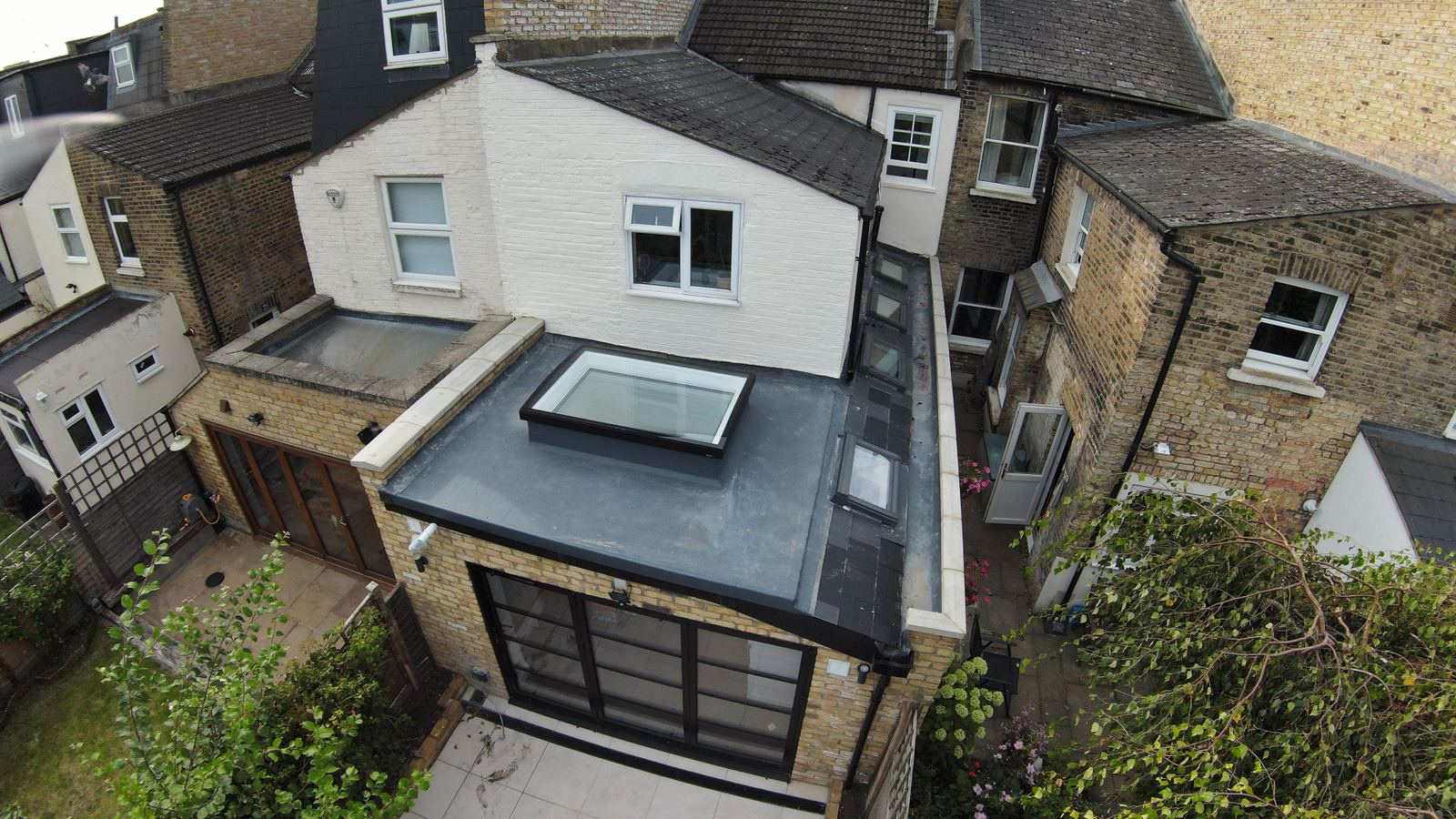
If you're planning an extension or loft conversion and share a wall, boundary, or foundation line with a neighbour, the Party Wall Act 1996 almost certainly applies to you—and getting it wrong can delay your project by months. Here's what the Act actually requires, when you need to serve notice, what happens if your neighbour objects, and how to keep the process moving without it becoming a dispute.
Key Takeaways
- The Party Wall Act 1996 applies to shared walls, boundary work, and excavation near a neighbour's foundations.
- You must serve written notice at least two months before starting work on a party wall, or one month for excavation.
- Your neighbour can consent, stay silent (treated as dissent after 14 days), or object—each triggers a different next step.
- If there's a dispute, a party wall surveyor is appointed to produce a Party Wall Award before work can start.
- Skipping the process doesn't just risk disputes—it can lead to an injunction stopping your project mid-build.
What Is the Party Wall Act 1996?
The Party Wall Act 1996 is UK legislation that protects both you and your neighbour when building work affects a shared wall, boundary, or nearby foundations. It sets out a formal notice process so neighbours are informed before work starts, and gives a clear route to resolve disagreements without going to court.
It's separate from planning permission and building regulations—you can have full planning approval and still need a Party Wall Agreement, since the Act deals with your neighbour's rights, not the local authority's.
Do You Need a Party Wall Agreement for Your Project?
Extensions near a boundary
If you're building within 3 metres of a neighbour's building and your foundations will go deeper than theirs, or within 6 metres if the excavation is within a 45-degree line from their foundations, the Act applies even if the extension itself doesn't touch the boundary wall.
Loft conversions with shared walls
Work on a party wall itself—such as inserting steel beams to support a loft conversion, or raising a shared chimney breast—falls squarely under the Act, regardless of whether you're extending outward.
Excavation near a neighbour's foundations
Basement work, underpinning, or even standard extension foundations can trigger the Act if they're close enough to a neighbour's structure, since the concern is about undermining their foundations, not just physical contact with a shared wall.
How Does the Party Wall Notice Process Work?
Step 1: Serving notice
You (or your surveyor) serve written notice to each affected neighbour at least two months before starting work on a shared wall, or one month before excavation work. The notice describes the proposed work and when it will start.
Step 2: Neighbour's response
- Consent in writing — You can proceed with no further formal process.
- No response within 14 days — Automatically treated as a dispute.
- Formal dissent — Also treated as a dispute, triggering the surveyor stage.
Step 3: Appointing a surveyor
If there's a dispute (which is common and doesn't mean your neighbour is being difficult—many simply don't respond), a surveyor is appointed to assess the work and produce a Party Wall Award, a legal document setting out how and when the work can proceed, and recording the condition of the neighbouring property beforehand.
What Happens If You Skip the Party Wall Process?
Your neighbour can apply for an injunction to stop work, even after it has started—which is far more disruptive and expensive than following the process upfront. You also lose the legal protection the Act gives you if a dispute over damage arises later, since there's no agreed record of the property's condition before work began.
How Long Does the Party Wall Process Take?
If your neighbour consents straightaway, you can proceed after the notice period—as little as two months for wall work. If a surveyor needs to be appointed, add roughly four to eight weeks for the Award to be agreed, so it's worth starting the notice process as early as possible in your programme, ideally alongside your planning application rather than after it.
Frequently Asked Questions
Do I need a party wall agreement for a loft conversion?
If the conversion involves work on a shared wall or chimney breast—inserting steel beams, for example—yes. A rooflight conversion that doesn't touch the party wall may not require one, but it's worth checking with a surveyor before assuming you're exempt.
What if my neighbour refuses to respond?
No response within 14 days of the notice is automatically treated as a dispute under the Act, which simply moves you into the surveyor stage—it isn't a dead end, just an extra step.
Who pays for the party wall surveyor?
As the person carrying out the work, you typically pay the reasonable surveyor fees—including your neighbour's surveyor if they choose to appoint their own rather than using an “agreed surveyor” shared between both parties.
Can I start work before the agreement is finalised?
No. Starting party wall work without either consent or a completed Award is a breach of the Act and puts you at risk of an injunction stopping work, along with potential liability for any damage that isn't covered by an agreed schedule of condition.
What's the difference between the Party Wall Act and planning permission?
Planning permission is granted by your local council and concerns the impact of your project on the area. The Party Wall Act is separate legislation protecting your neighbour's specific property rights—you need to satisfy both independently, and one doesn't cover the other.
Get the Party Wall Process Handled as Part of Your Project
Navigating notices, neighbour negotiations, and surveyor appointments alongside your own build can feel like a second project. As part of our full design and build service, we help clients plan the party wall process into the programme from day one—see how this played out on a recent loft conversion and extension project in Wimbledon. If you're planning an extension or loft conversion, get in touch for a free consultation.