Period Property
Renovating a Listed Building or Conservation Area Property in London: What's Allowed
Own a listed building or live in a conservation area in London? Here's what you can change, what needs consent, and how to avoid delays.
27 August 20266 min readBy LINX Design and Build
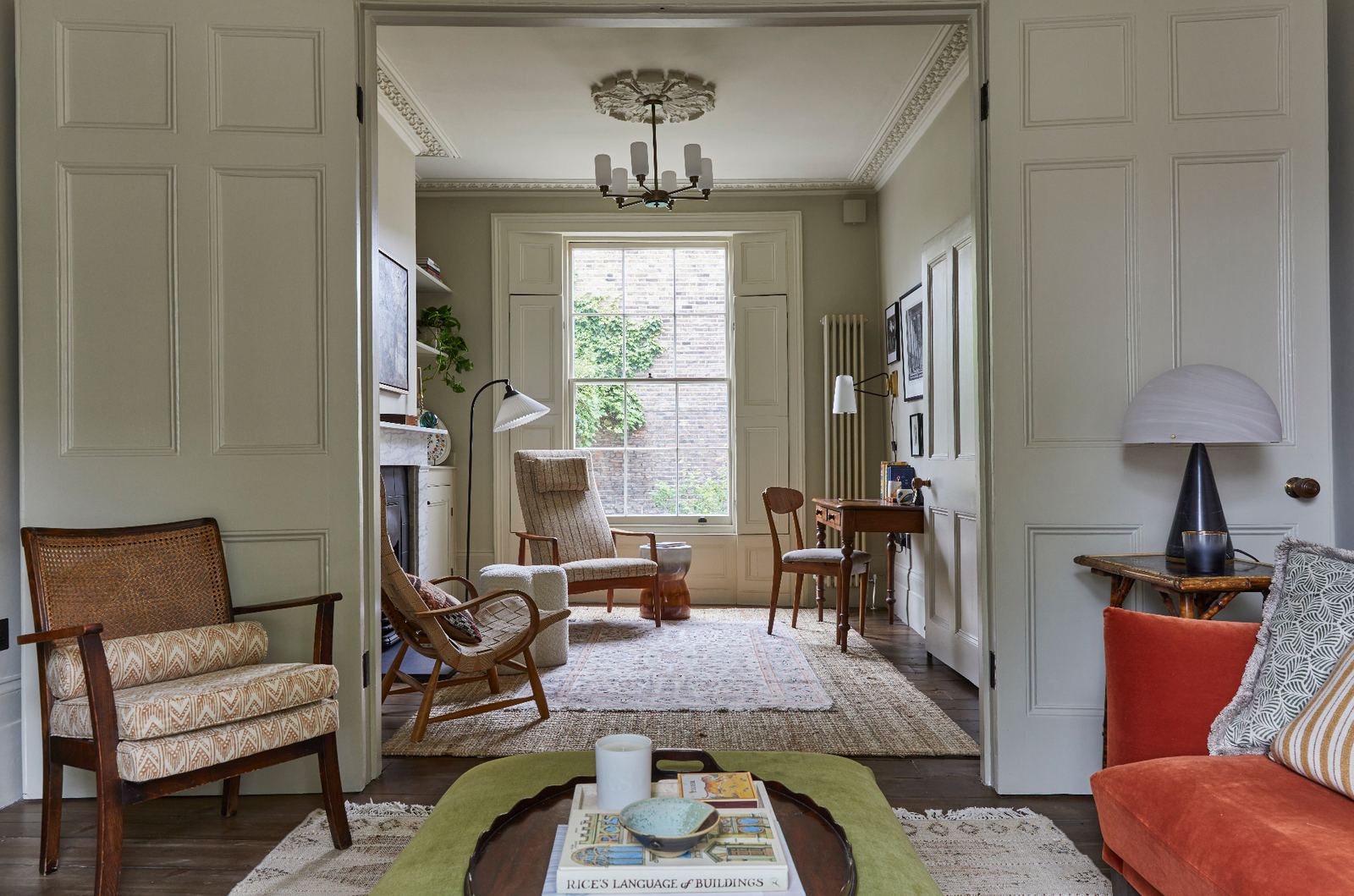
Owning a period property in London is a privilege—and a set of restrictions most homeowners don't fully understand until they try to change something. Whether your home is a listed building or simply sits within a conservation area, the rules on what you can alter are stricter and slower than standard permitted development, but they're not as limiting as many people assume. Here's exactly what's allowed, what needs consent, and how to renovate without losing the character that makes the property valuable in the first place.
Key Takeaways
- Listed buildings need Listed Building Consent for almost any alteration, internal or external—conservation areas mostly restrict external changes.
- Unauthorised work on a listed building is a criminal offence, not just a planning breach.
- Conservation area rules typically remove permitted development rights for things like replacement windows, extensions, and roof alterations.
- Listed Building Consent applications usually take 8–13 weeks, longer than a standard planning application.
- Working with a contractor experienced in heritage properties avoids costly mistakes and consent refusals.
What's the Difference Between a Listed Building and a Conservation Area?
A listed building is a specific property recognised by Historic England as having special architectural or historic interest, graded I, II* or II. A conservation area is a wider designated zone—often a whole street or neighbourhood—protected for its overall character rather than any single building within it.
The practical difference is significant: listed building rules apply to the whole property, inside and out, while conservation area rules mainly govern what's visible from the street—the exterior, the roofline, and materials—with far more freedom over internal layout changes.
Do You Need Listed Building Consent?
Internal alterations
Yes, in most cases. Removing an internal wall, replacing a staircase, or even changing skirting boards in a listed building can require consent if it affects the historic fabric or character of the building. This catches many homeowners out, since internal work usually needs no permission at all in a non-listed property.
External alterations
Anything visible from outside—new windows, render, roofing materials, or rainwater goods—needs Listed Building Consent, and usually needs to match the original materials and methods rather than modern equivalents.
Extensions to listed buildings
Extensions are possible but scrutinised heavily on design, scale, and materials. The strongest applications are honest about being a modern addition rather than pretending to be original—a well-designed, clearly contemporary extension often fares better than one trying to mimic historic detailing unconvincingly.
What Can and Can't Be Changed in a Conservation Area?
- Permitted development rights are usually reduced or removed—check for an Article 4 Direction, which can require planning permission for changes that would normally be permitted development.
- Replacement windows and doors often need to match the original style, material, and proportions.
- Roof alterations, including loft dormers on the principal (street-facing) elevation, are more tightly controlled.
- Front boundary walls, hedges over a certain height, and some tree work may need consent.
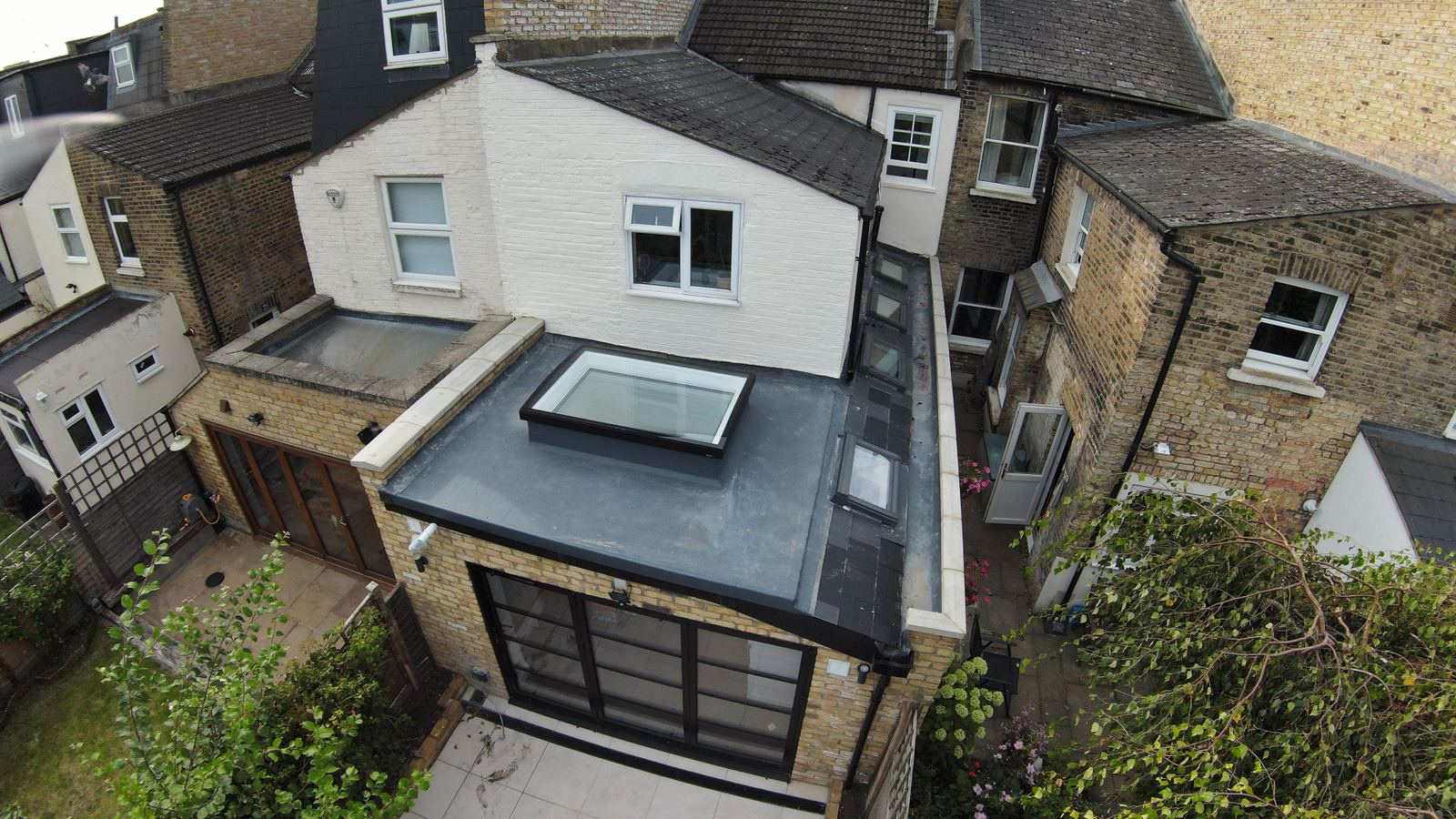
- Rear extensions not visible from the street typically have more flexibility than front-facing changes.
How to Renovate a Period Property Without Losing Its Character
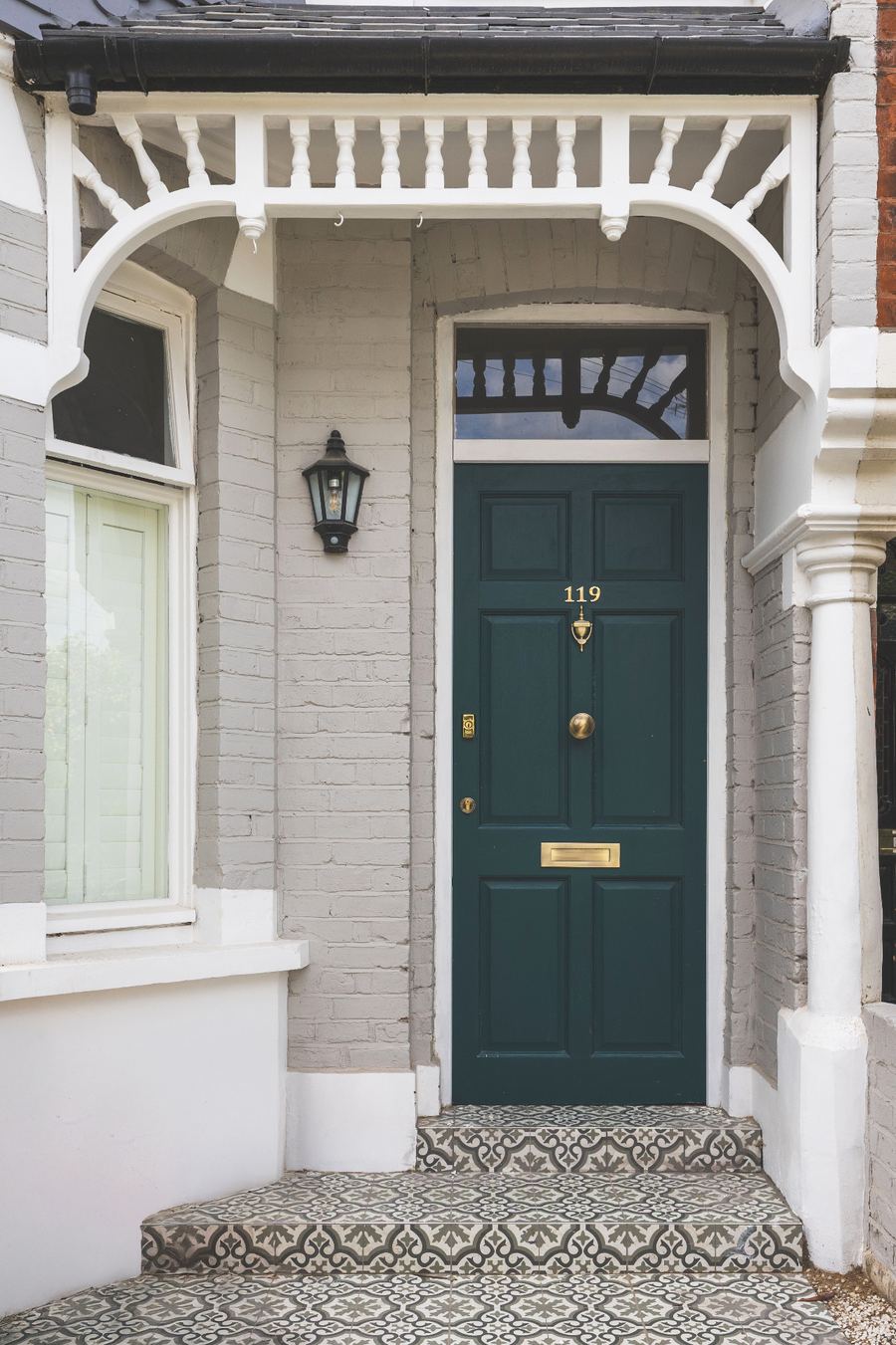
The properties that retain the most value and get through planning fastest are the ones where changes work with the existing character rather than against it.
- Match materials to the original—reclaimed brick, timber sash windows, and matching roof tiles are worth the extra cost.
- Keep new extensions visually distinct but proportionate, rather than copying period detailing.
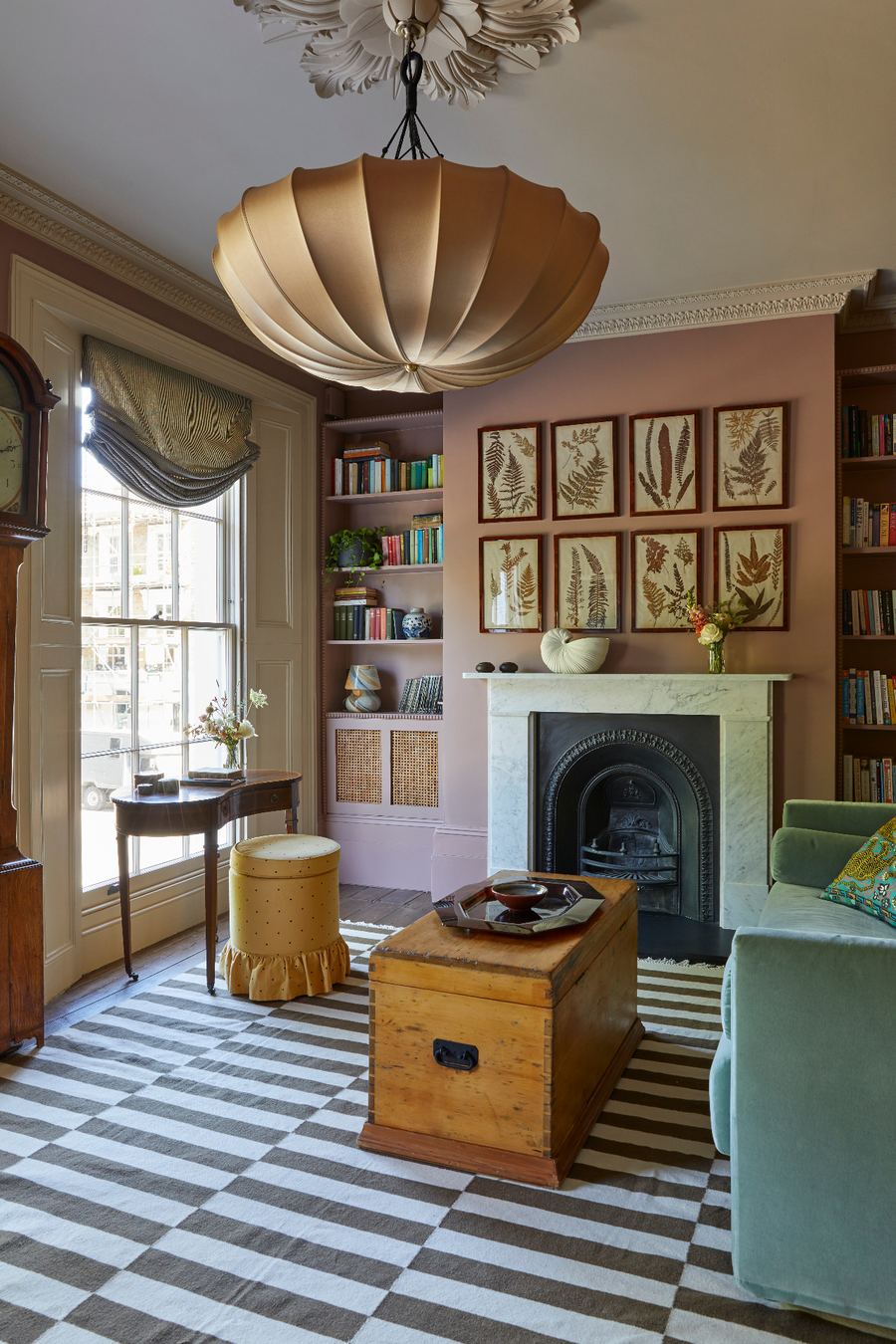
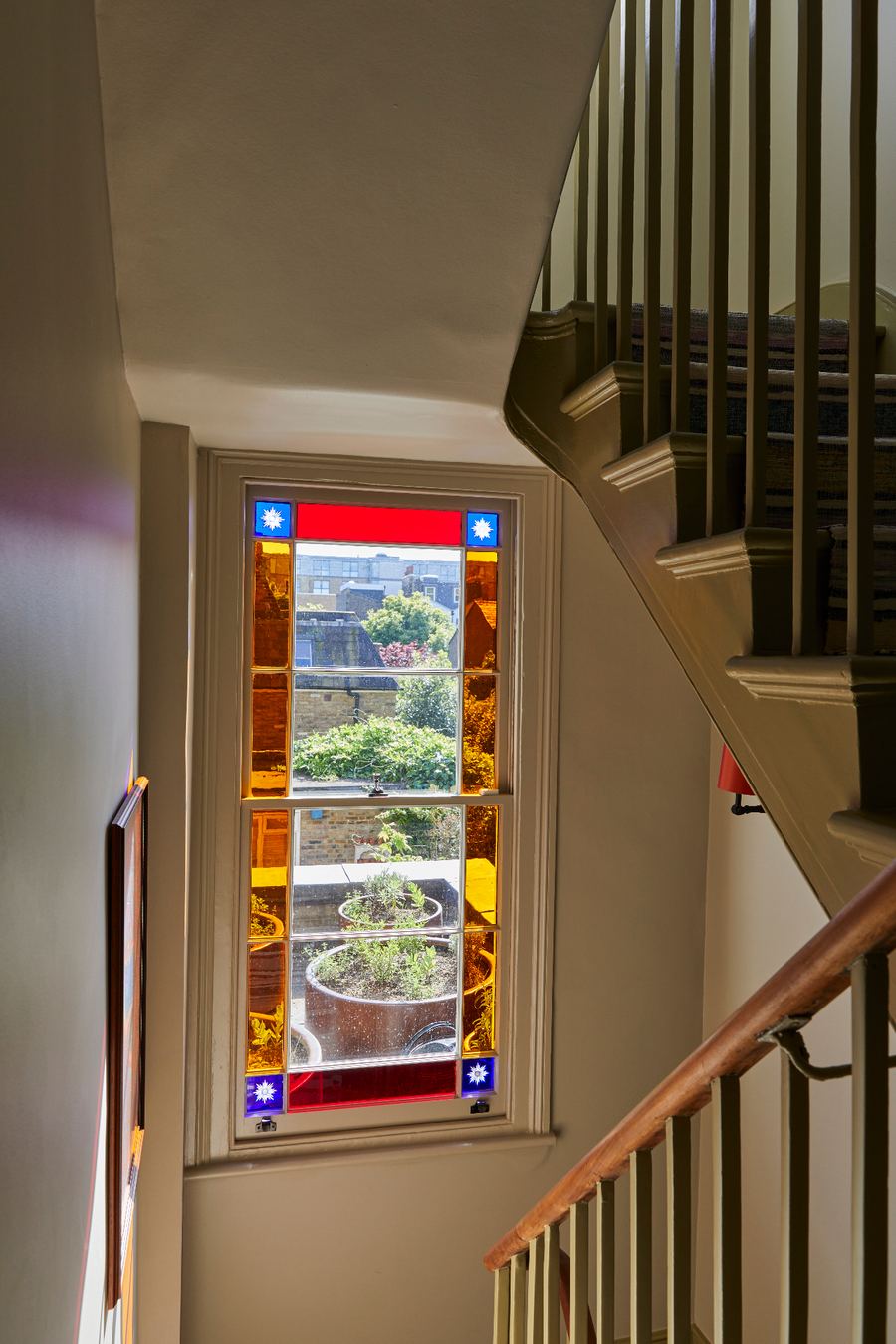
- Preserve original features internally—cornicing, fireplaces, and staircases—even when updating the layout around them.
- Get pre-application advice from the local conservation officer before submitting; it flags problems before they cost you a redesign.
Choosing a Contractor Experienced with Listed/Conservation Projects
Heritage and conservation work requires a different skill set from standard renovation—matching lime mortar rather than modern cement, sourcing reclaimed materials, and understanding what a conservation officer will and won't accept. A contractor without this experience can cause irreversible damage to historic fabric, or submit applications that get refused and delay your project by months.
Our team includes specialists experienced in period and listed property work—see our architectural design service and full team profiles for the structural engineering, architecture, and building conservation expertise involved in projects like this.
Frequently Asked Questions
Can I still get planning permission to extend a listed building?
Yes—many listed buildings have successful extensions, but the design needs to demonstrate it preserves the building's special interest. Working with an architect experienced in heritage applications significantly improves your chances of approval on the first submission.
What happens if I carry out unauthorised work on a listed building?
It's a criminal offence, not just a planning breach—councils can prosecute, and you may be required to reverse the work at your own cost, regardless of how much you've already spent on it.
Do conservation area rules apply to the inside of my home?
Generally no, unless the property is also individually listed. Conservation area controls focus on what's visible externally—the street-facing appearance, materials, and overall character of the area.
How long does listed building consent take?
Typically 8–13 weeks from a valid application, similar to or slightly longer than standard planning permission, though complex or contentious applications can take longer if amendments are requested.
Can I install double glazing in a listed building?
Often not in the original frames, since this usually requires consent and standard double glazing units rarely match historic window proportions. Slimline double glazing or secondary glazing are commonly accepted alternatives that improve efficiency without altering the historic appearance.
Renovate Your Period Property with Confidence
Whether you're planning a sympathetic extension or a full internal renovation of a listed or conservation-area property, getting the right advice before you apply saves months of delay. Take a look at our recent projects for examples of period property work, or contact our team for a free consultation on your property.