Regions
Regions we cover: London, the South East and beyond
LINX Design and Build designs, gets approval for and builds extensions, loft conversions, renovations and new homes across London, the South East and further afield. Choose your region for local planning information, the areas we cover and answers to common questions.
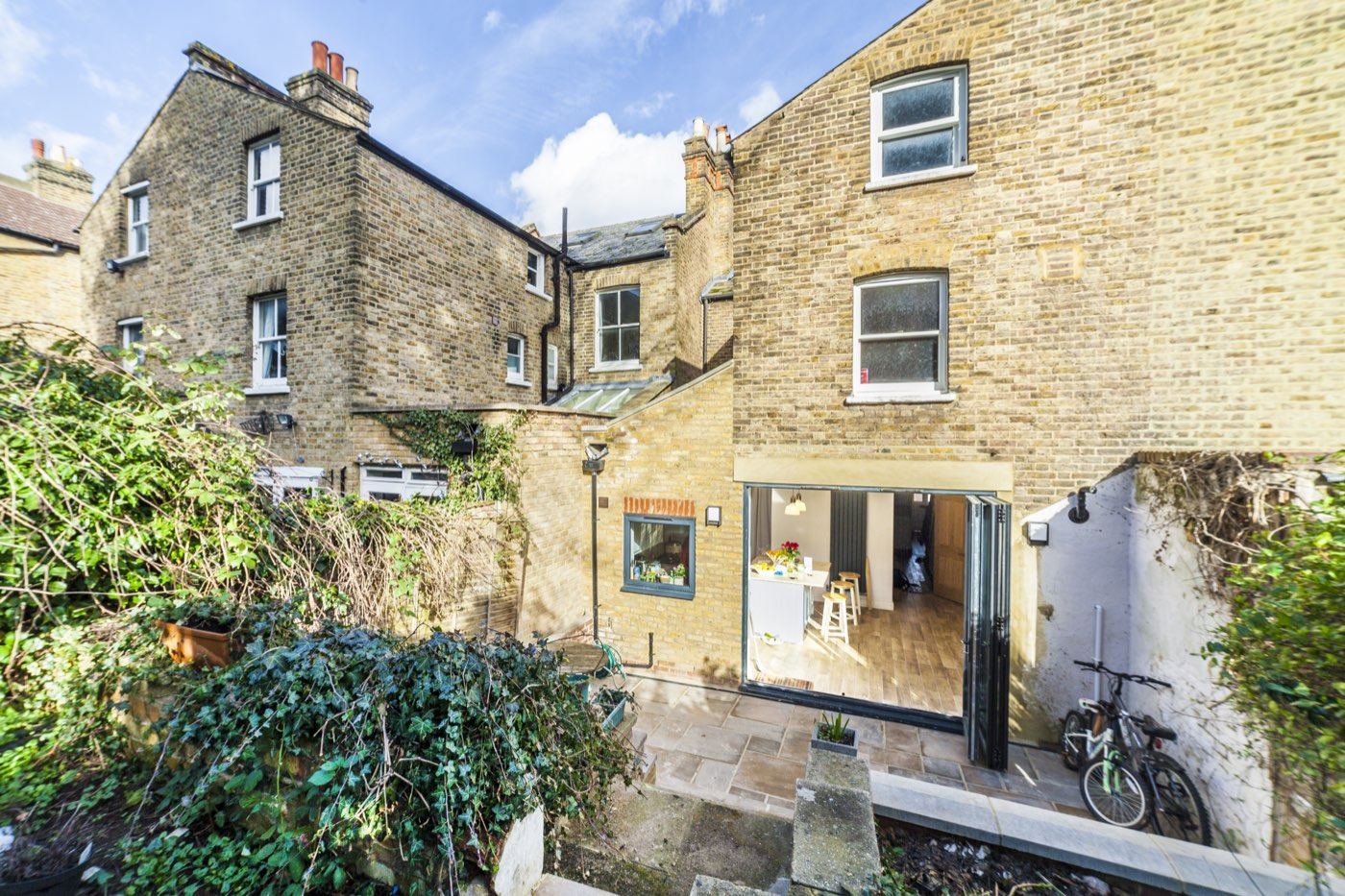
Pictured: Side & Rear Extension and Bathroom, Whitley Road, London
Tell us where you are and what you'd like to build — we'll come back with next steps.
16 regions
Choose your region
Each region page sets out the local planning authorities, the designations that shape what you can build, the towns we cover and answers to the questions we are asked most.
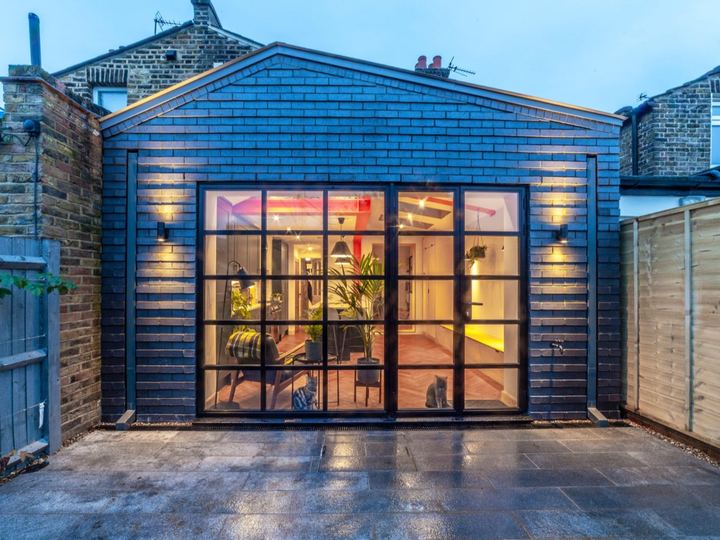
London (All Boroughs)
All 32 boroughs and the City of London, from our offices in Chelsea, Shoreditch and Ealing.
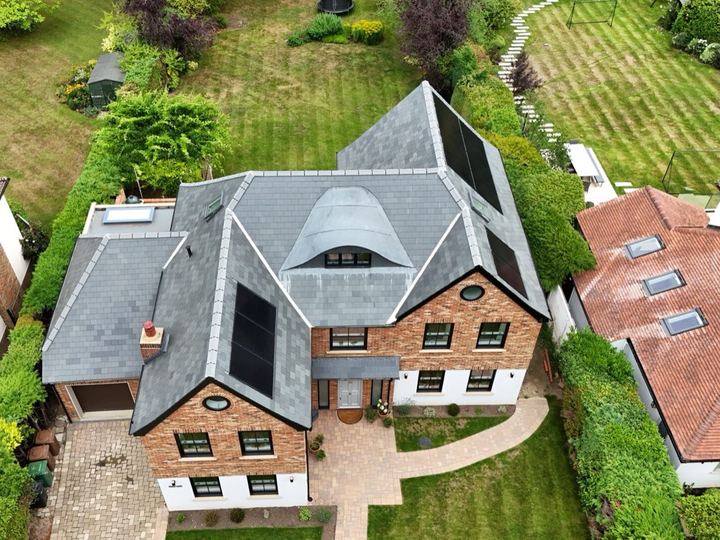
Surrey
Green Belt, Surrey Hills and private-estate projects across all 11 councils, from our Cobham office.
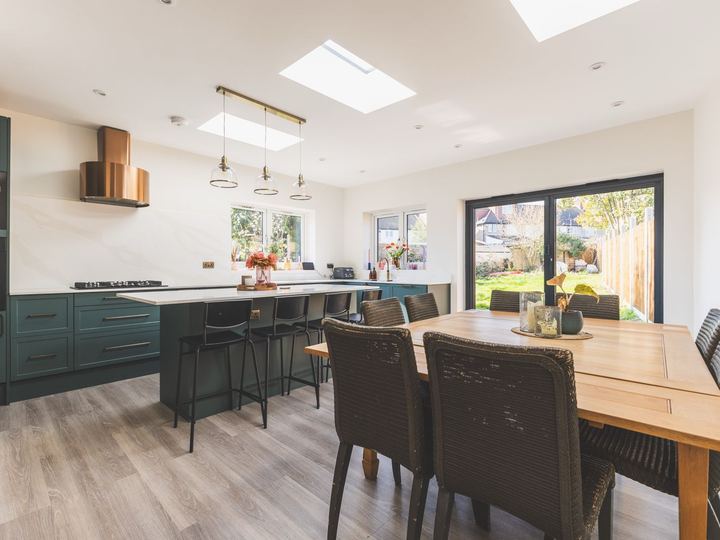
Berkshire
Six unitary authorities, from Windsor and Maidenhead in the east to West Berkshire around Newbury.
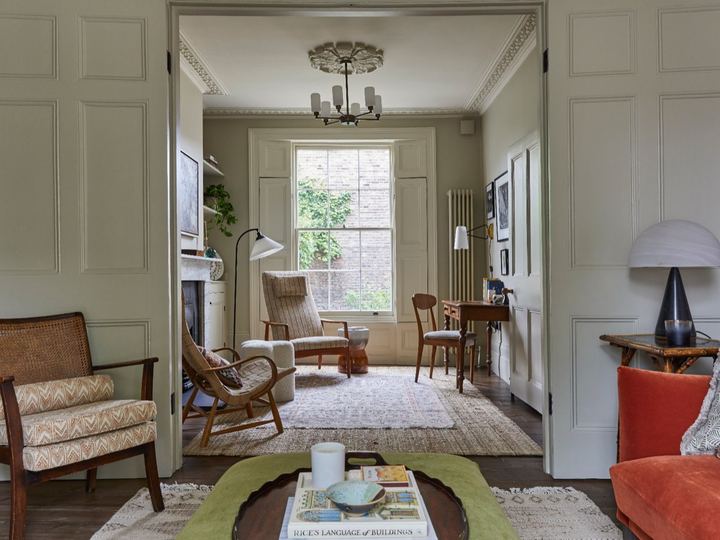
Buckinghamshire
Buckinghamshire Council and Milton Keynes, from the Chilterns to the Green Belt towns of the south.
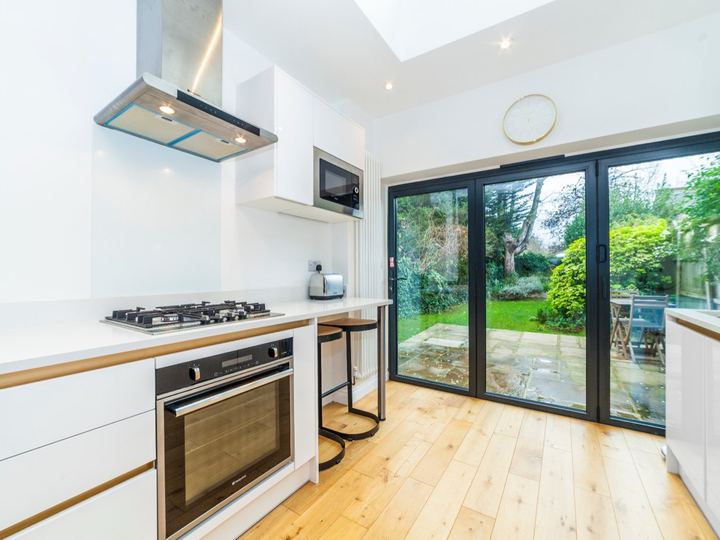
Hampshire
Winchester, Southampton, Portsmouth, Basingstoke and two National Parks: the New Forest and the South Downs.
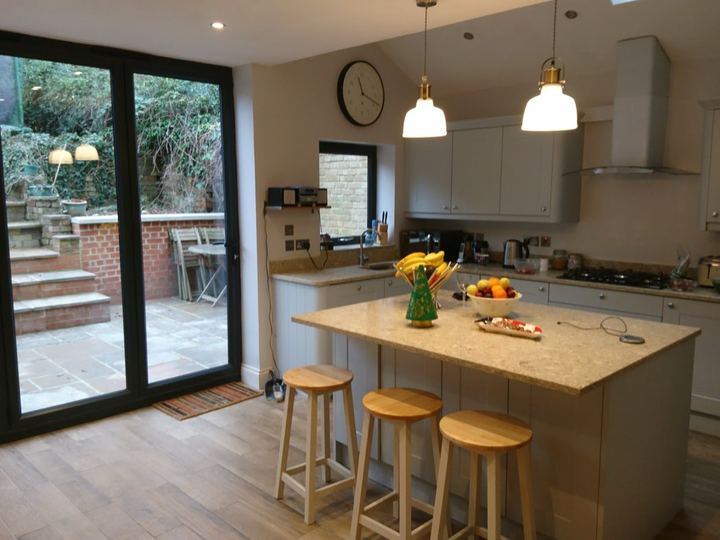
Oxfordshire
From Oxford's Victorian suburbs to Cotswold villages and Chiltern towns.
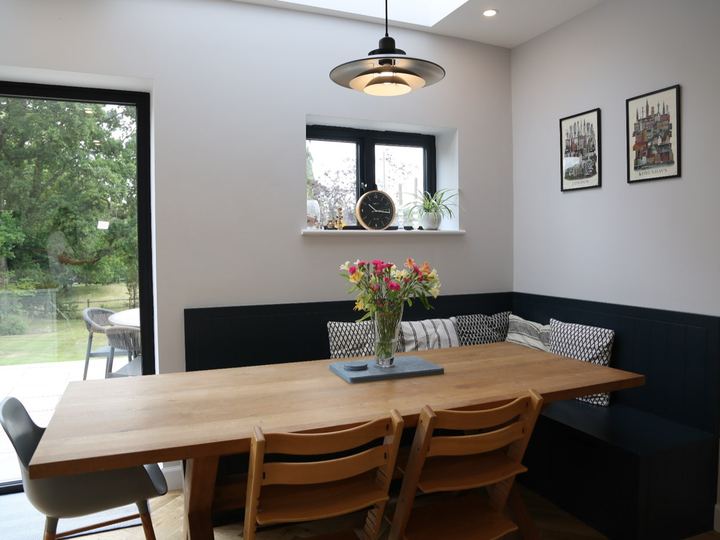
East Sussex
Brighton & Hove, five district and borough councils, the South Downs and the High Weald.
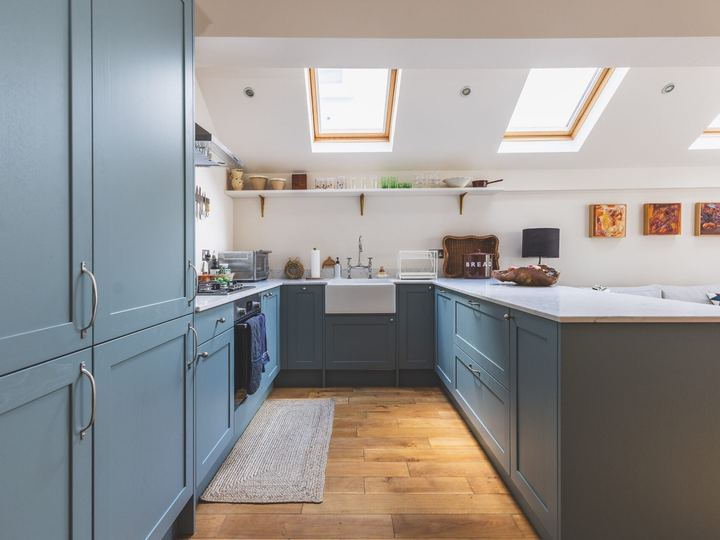
West Sussex
From Chichester and the coast to Horsham, Crawley and Mid Sussex.
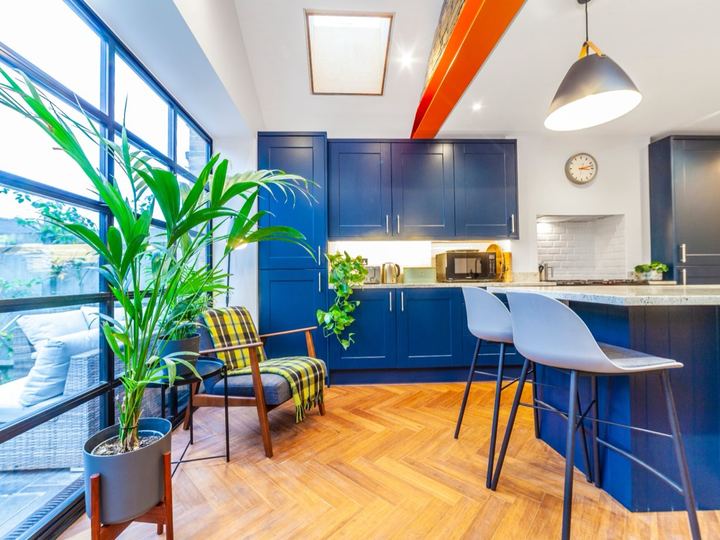
Kent
Kent and Medway, from the Green Belt around Sevenoaks to the Kent Downs and the High Weald.
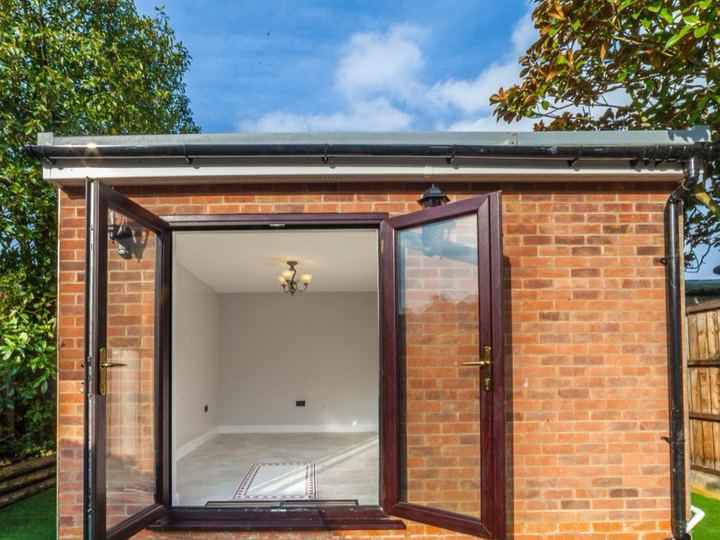
Essex
Twelve district, borough and city councils, plus Southend-on-Sea and Thurrock.
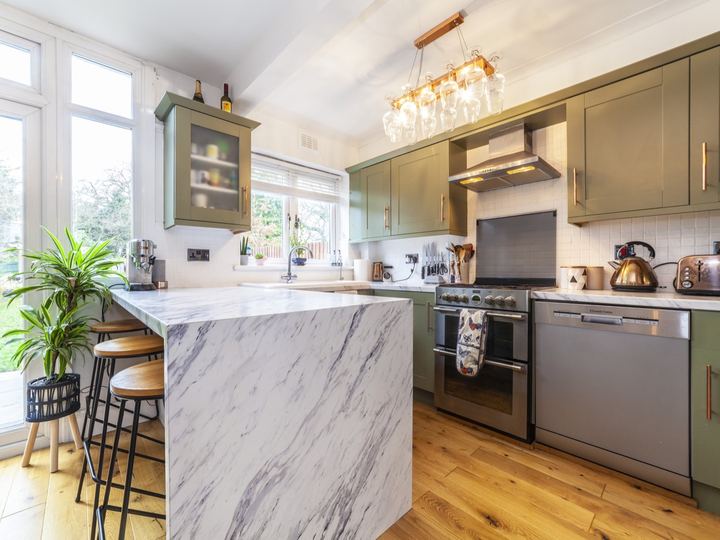
Hertfordshire
Ten district and borough councils, with much of the county in the Metropolitan Green Belt.
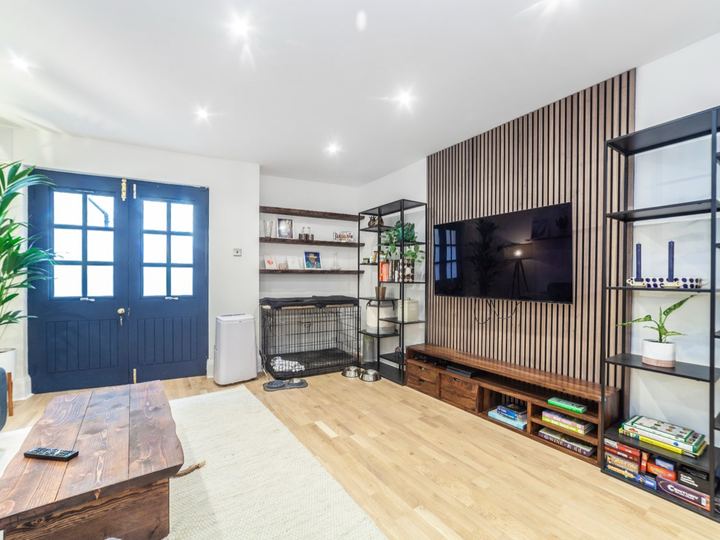
Greater Manchester
Ten planning authorities, from Manchester and Salford to Trafford, Stockport, Bolton and Wigan.
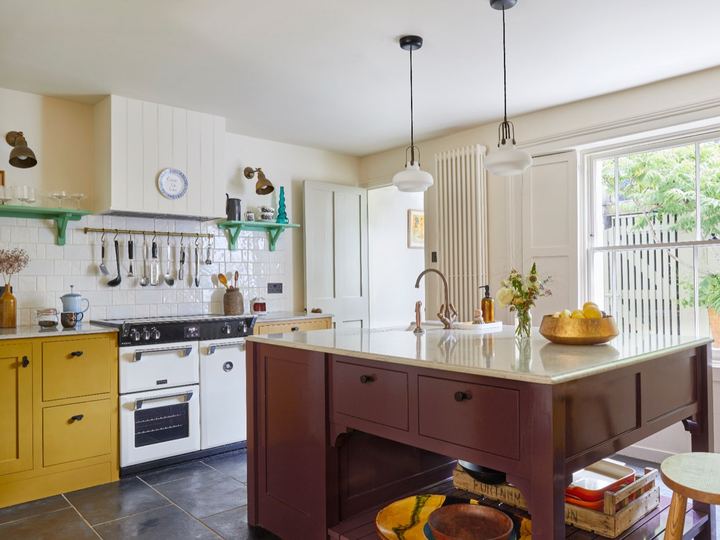
Birmingham & West Midlands
Birmingham, Solihull, Coventry, Wolverhampton and the Black Country.
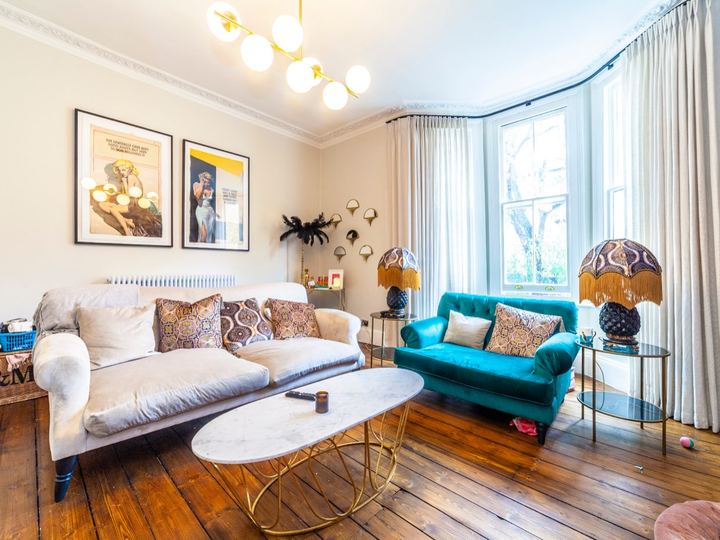
Leicester & Leicestershire
Leicester City Council and seven district and borough councils, from Charnwood to Harborough.
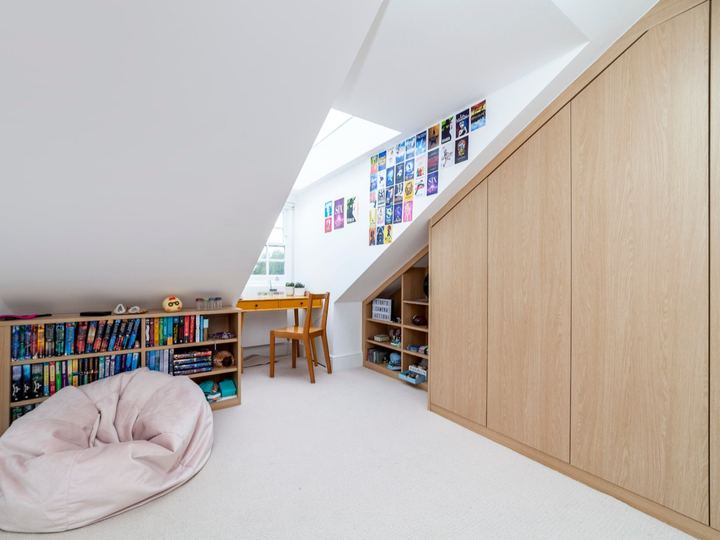
Cambridge & Cambridgeshire
Greater Cambridge, East Cambridgeshire, Fenland, Huntingdonshire and Peterborough.
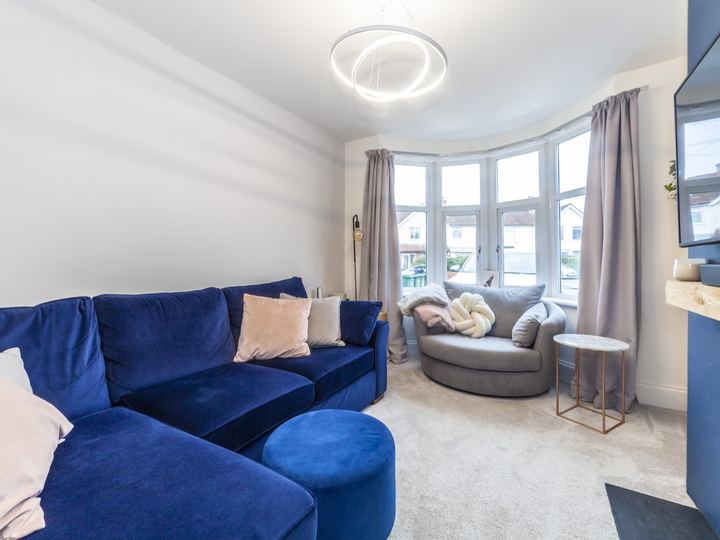
Bristol & Bath
Bristol's conservation areas, Bath's World Heritage city, South Gloucestershire and North Somerset.
The photographs are of completed LINX projects; each region page names the project and where it was built.
How it works
One team, wherever you build
Wherever your project is, the process is the same: one in-house team designs it, secures the approvals and builds it, starting with a free consultation and a fixed-price quote in writing.
01
Free consultation & survey
We visit, measure up and talk through what you want to build and what the site allows.
02
Design & planning
Our in-house team draws the scheme and handles planning or a Lawful Development Certificate, plus Building Regulations.
03
Fixed-price quote
You get an itemised, fixed price in writing before any work starts.
04
Build & handover
One team builds it, keeps you updated weekly and hands over with a workmanship guarantee.
Local planning
What changes from region to region
Planning law is national, but each council applies it through its own local plan, and protected land changes what you can build without an application. These are the differences we check first.
Who decides
Every council is its own local planning authority, with its own local plan and design guidance: 33 in London alone, six unitary authorities in Berkshire and ten councils across Greater Manchester. We check the rules for the exact address before design starts.
Green Belt
Much of Surrey, Hertfordshire and south and west Essex is Metropolitan Green Belt, and Oxford, Cambridge, Bristol and Bath, Greater Manchester and the West Midlands have Green Belts of their own. Extensions there must not be disproportionate additions to the original building.
National Landscapes and Parks
The Surrey Hills, the Chilterns, the Cotswolds, the Kent Downs and the High Weald are National Landscapes; the New Forest, the South Downs and the Peak District are National Parks. Both are Article 2(3) land, so loft conversions and side extensions there need planning permission.
Conservation and heritage
Inner London, Brighton & Hove, Oxford, Cambridge and Bristol have many conservation areas, where permitted development rights are reduced, and the whole City of Bath is a UNESCO World Heritage Site. Listed buildings also need listed building consent.
Flood zones and protected heaths
Thames-side homes in Surrey, Berkshire and Oxfordshire, the Essex coast and large parts of the Fens lie in flood zones, where an application usually needs a flood risk assessment. New homes near protected heathland, such as the Thames Basin Heaths and Ashdown Forest, need mitigation too.
Estates and schemes of management
Some places add a second consent alongside planning permission: private estates in Cobham, Oxshott and Weybridge, the Letchworth Garden City Heritage Foundation's Scheme of Management, and the Bournville Village Trust in Birmingham.
Elsewhere
Not on the list?
We are adding regions over time. Tell us where your project is and what you would like to build.
Sixteen regions: London (all boroughs), Surrey, Berkshire, Buckinghamshire, Hampshire, Oxfordshire, East Sussex, West Sussex, Kent, Essex, Hertfordshire, Greater Manchester, Birmingham and the West Midlands, Leicester and Leicestershire, Cambridge and Cambridgeshire, and Bristol and Bath.
Each region page sets out the local planning authorities, the designations that shape what you can build, the towns we cover and answers to the questions we are asked most.
Yes. Wherever you build, one in-house team designs the project, secures the approvals and builds it, starting with a free consultation and an itemised fixed price in writing before any work starts. We keep you updated weekly and hand over with a workmanship guarantee.
In the Green Belt, extensions must not be disproportionate additions to the original building. National Landscapes such as the Surrey Hills and the Chilterns, and National Parks such as the New Forest and the South Downs, are Article 2(3) land, so loft conversions and side extensions there need planning permission.
Permitted development rights are reduced in conservation areas, and listed buildings also need listed building consent. We check the rules for the exact address before design starts.
We are adding regions over time, so tell us where your project is and what you would like to build.